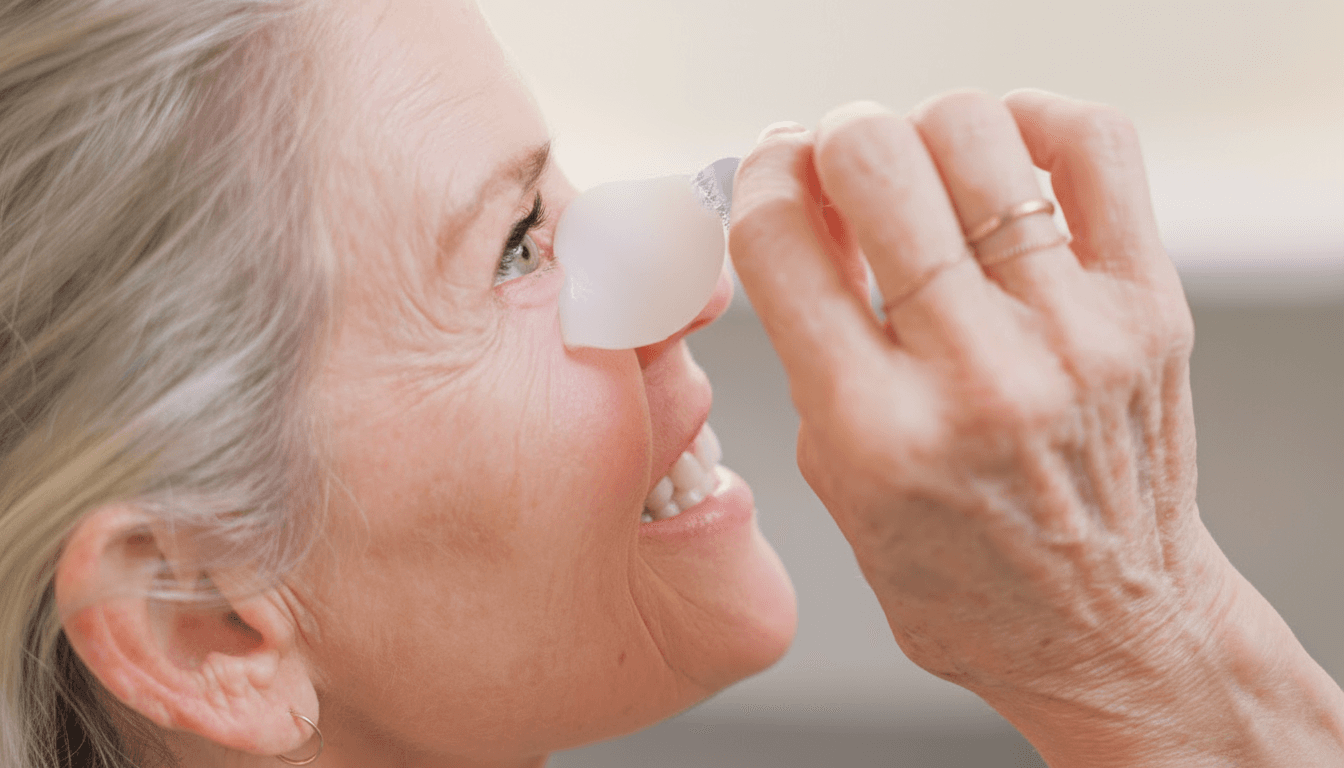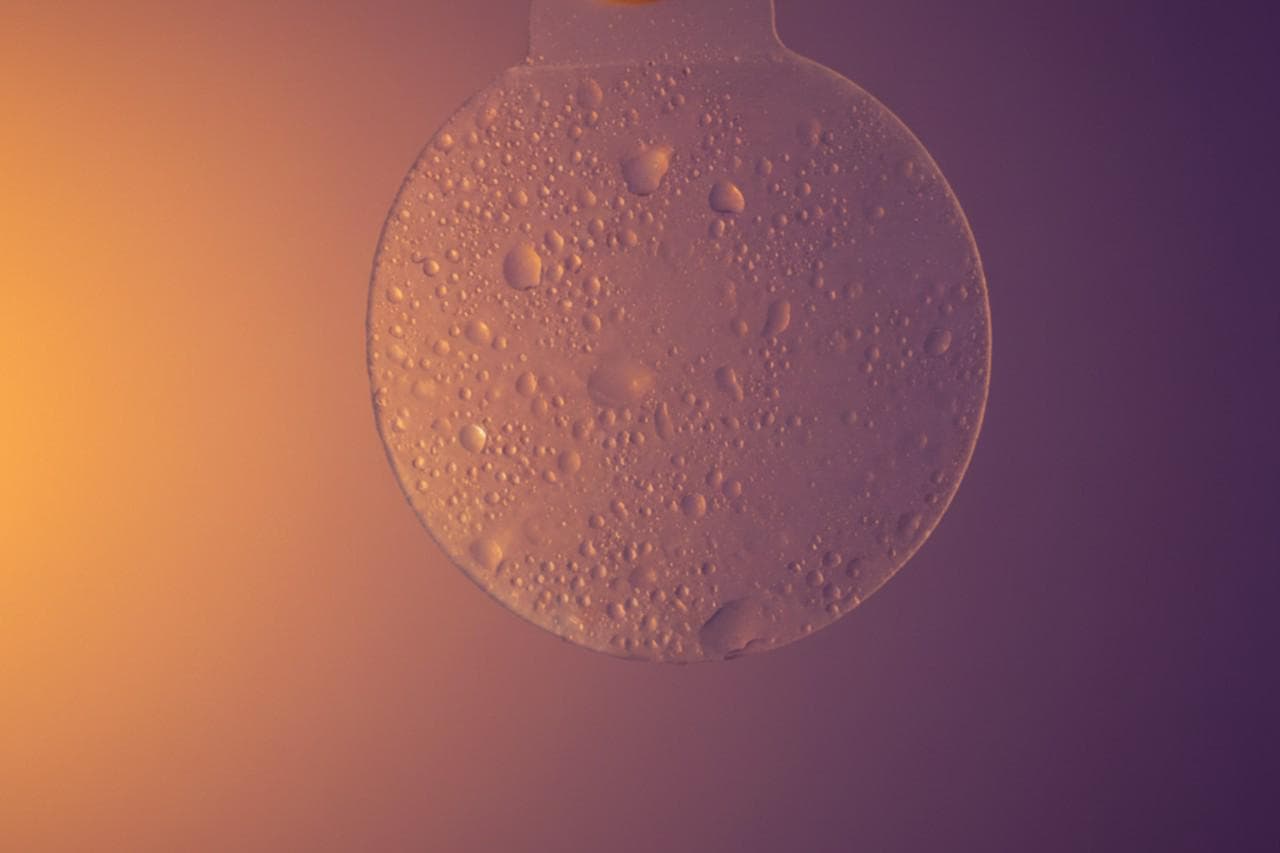
If you've been chasing dry eye with drops and you are not getting better, the issue may not be your tears at all. It may be your eyelids — and the tiny oil glands that decide whether your tear film even works.
What if your dry eye isn't a problem with your tears? What if the issue is the machinery that spreads them?
If you've been told you have dry eye, you probably assumed the problem was your tears. That makes sense. But what if the real issue isn't the tears at all?
Because dry eye is often not a tear problem. It's an eyelid problem.
The Eyelids Are Not Just Cosmetic
Most people think of eyelids as skin — something that droops with age, something people lift with surgery. But medically, eyelids are part of your lubrication system.
They are designed to do three major jobs:
- spread tears evenly across the eye
- pump oil into the tear film
- protect the eye during sleep
If any of those fail, dry eye symptoms can become relentless.
Blinking Is a Mechanical System
You blink about every 5 seconds. That blink isn't random — it's based on the average time healthy tears stay stable on the ocular surface before they naturally begin to break up and evaporate.
Blinking spreads your tear film across the cornea like a windshield wiper. Without blinking, tears don't spread properly, the surface dries, and the cornea gets irritated.
This is why people who work on screens often develop dry eye symptoms: they blink less.
Your Eyelids Contain Oil Glands (And Most People Don't Know That)
Inside your upper and lower eyelids are about 50 oil-producing glands called the meibomian glands.
Their job is to release oil into your tears. That oil layer is critical because it slows evaporation. Without it, tears evaporate rapidly — even if you make plenty of watery tears.
This is called evaporative dry eye, and it accounts for the majority of dry eye cases.
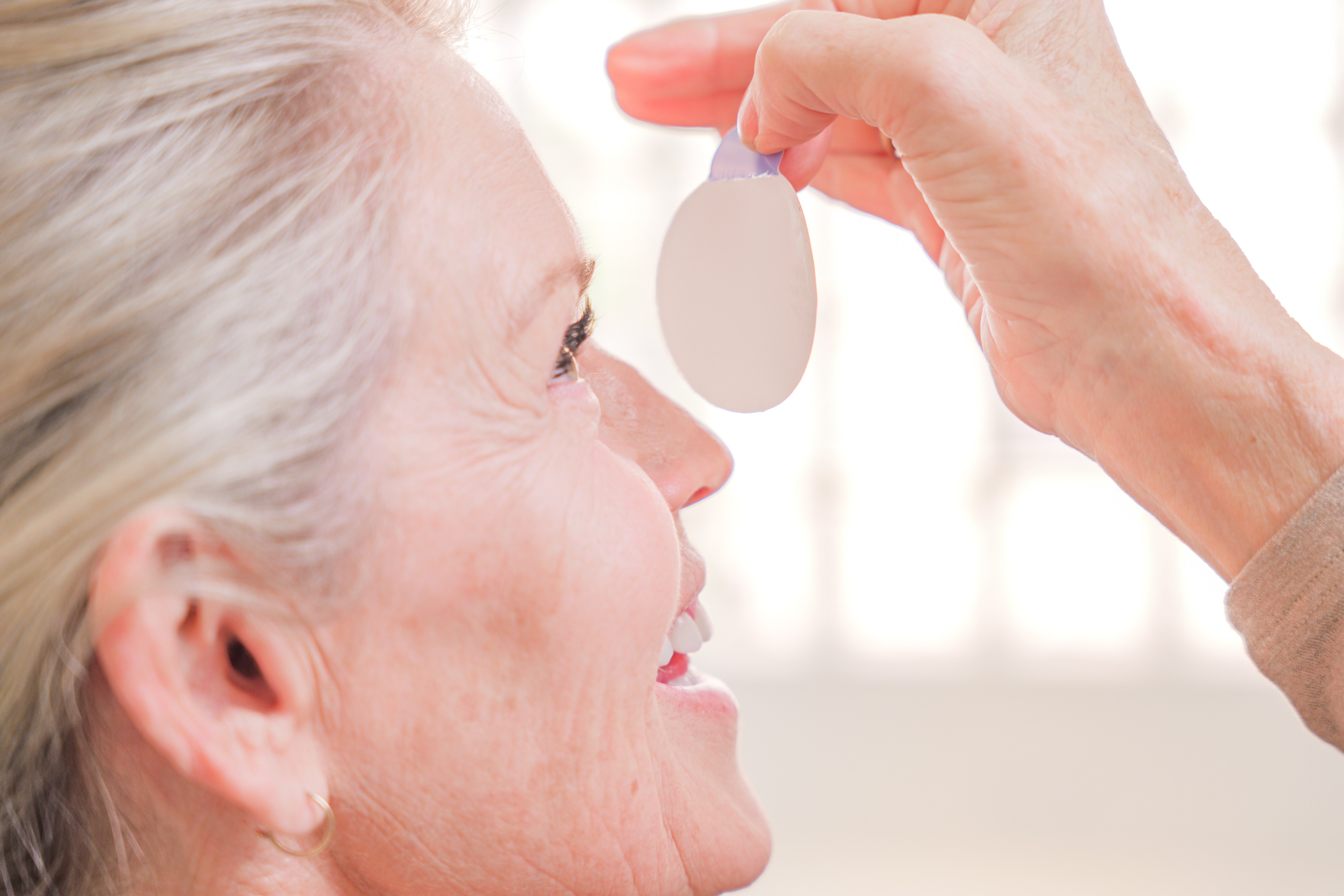
Your Eyelids Are Basically an Oil Pump
With every blink, your eyelids squeeze these glands. That squeezing action pushes oil out into the tear film. It's a pump.
And like any pump, it can weaken over time. As eyelids loosen with age, blinking becomes less effective. The glands themselves can become clogged, inflamed, and eventually shrink or atrophy.
That's called meibomian gland dysfunction, and it's incredibly common.
The Problem Gets Worse During Sleep
Here's a fact that surprises people: about one in five people sleep with their eyes partially open.
Most people don't know they do it. And if your tear film is strong, it may not matter. But if your tear film is already unstable, several hours of overnight exposure to air can cause:
- dryness
- inflammation
- burning
- morning pain
- blurry vision upon waking
That's why many dry eye patients feel the worst in the morning.
Morning Dry Eye Isn't "Random"
If you wake up and feel like:
- your eyes are stuck
- your lids feel heavy
- your eyes burn immediately
- you can't open them comfortably
- your vision is foggy
That is rarely due to allergies. That is exposure and eyelid-related inflammation. And it often means your eyelids aren't sealing or protecting your ocular surface properly.
The Bottom Line
Dry eye isn't just a tear issue. It's a tear film + eyelid mechanics issue. And if you don't address the eyelids, drops alone often won't solve the problem.
Because you can pour water on a surface all day — but if the oil layer is broken and the pump isn't working, it evaporates anyway.
Why Do Women Suddenly Develop Dry Eye?
In the next post, we'll talk about the perfect storm that causes many women to suddenly develop severe dry eye: perimenopause, LASIK, and eyelid lifts. And why it can feel like symptoms appear out of nowhere.
Don't miss the next installment — sign up for future posts in your inbox, plus exclusive access to videos and free samples of OKO dry eye products.
Wondering whether your dry eye is more tear-related or eyelid-related? Take our free 1-minute quiz and we'll send a one-pager tailored to your pattern.