Red, itchy, watery eyes could be allergies or dry eye — and the treatments are completely different. Here's how to figure out which one you're dealing with.
Eye allergies and dry eye syndrome share several symptoms, which leads many people to treat the wrong condition. Using allergy drops for dry eye (or vice versa) can actually make things worse. Here's how to tell them apart.
The Key Differences
| Symptom | Allergies | Dry Eye |
|---|---|---|
| Primary sensation | Itching | Burning, stinging, grittiness |
| Tearing | Watery, clear discharge | Reflex tearing or insufficient tears |
| Redness | Diffuse, both eyes equally | Varies, can be asymmetric |
| Swelling | Puffy eyelids, chemosis (clear jelly-like swelling) | Minimal swelling |
| Timing | Seasonal or triggered by specific allergens | Constant, worse by end of day or upon waking |
| Other symptoms | Sneezing, nasal congestion, skin reactions | Blurred vision, eye fatigue |
The Itch Test
The single most reliable differentiator is itching. If your eyes itch intensely — the kind of itch that makes you want to rub them vigorously — allergies are the likely cause. Dry eye causes discomfort, but it's more of a burning, sandy, or stinging sensation rather than true itchiness.
When It's Both
Here's the catch: you can have both conditions simultaneously. In fact, eye allergies can trigger or worsen dry eye by:
- Causing inflammation that disrupts tear production
- Leading to excessive rubbing that damages the tear film
- Antihistamine use (a common allergy treatment) reduces tear production as a side effect
Treatment Approaches
For Allergies
- Antihistamine eye drops (ketotifen, olopatadine)
- Cold compresses to reduce swelling
- Oral antihistamines (but be aware they can worsen dryness)
- Avoiding triggers: keep windows closed during high pollen, wash bedding weekly, shower before bed
For Dry Eye
- Preservative-free artificial tears
- Warm compresses to improve oil gland function
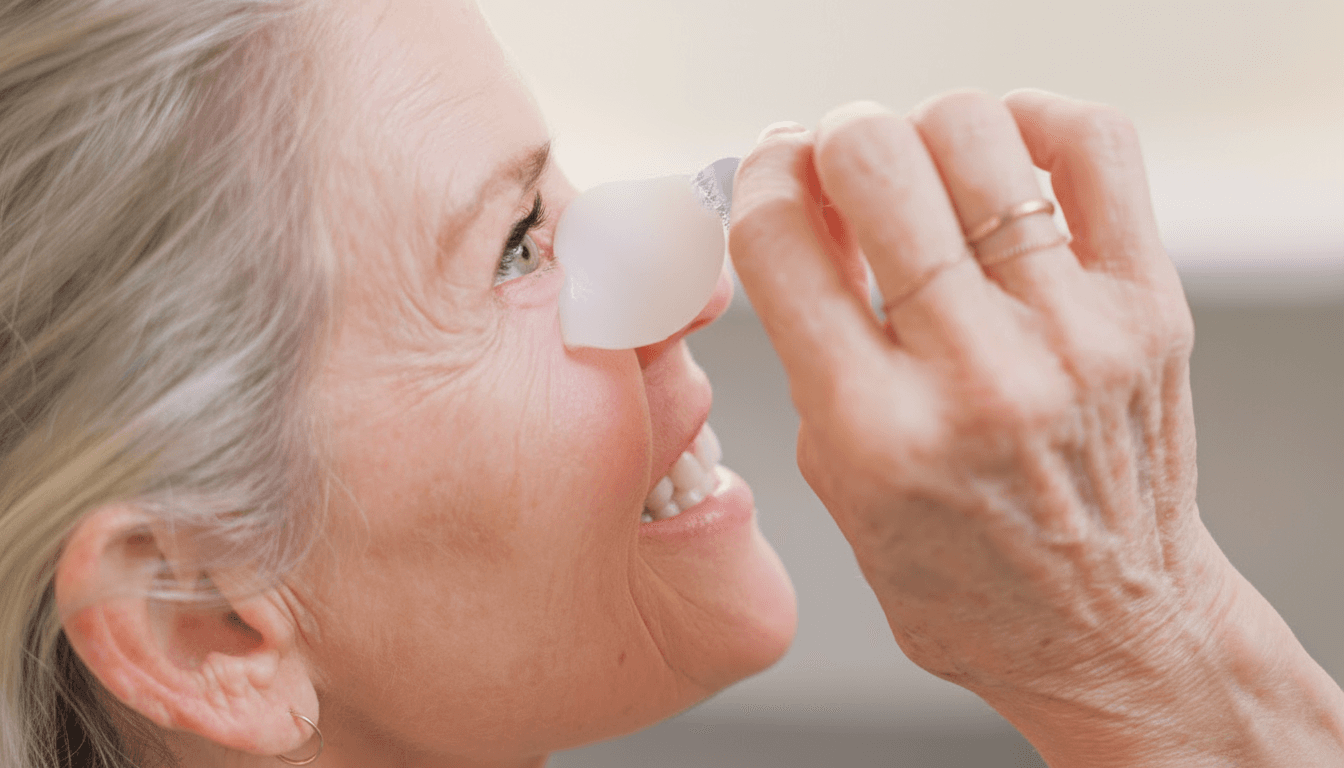
- Overnight eye patches to prevent moisture loss during sleep
- Humidifier in bedroom
- Omega-3 supplements
For Both
- Address allergies first to reduce inflammation
- Use combination drops if prescribed
- Avoid rubbing your eyes (cold compress instead)
- Keep eye surfaces clean and protected overnight
When to See a Doctor
If over-the-counter treatments aren't helping after two weeks, or if you have pain, significant vision changes, or discharge that's thick or colored, see an ophthalmologist. They can perform tests to definitively distinguish between allergies, dry eye, or other conditions that mimic these symptoms.