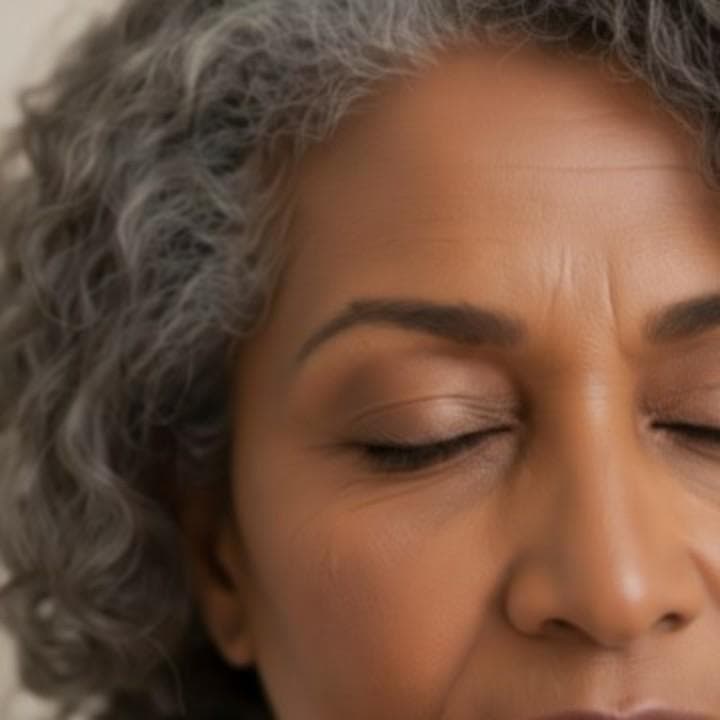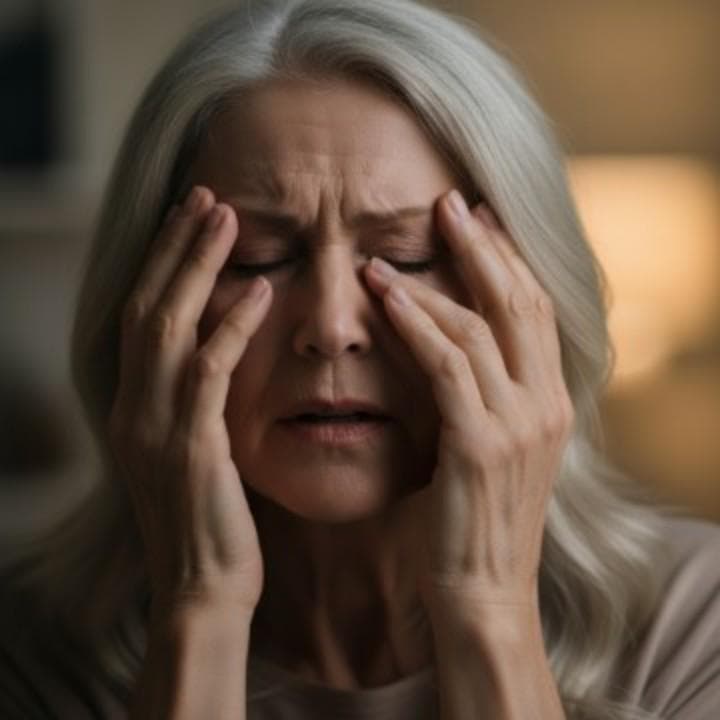
Side sleeper, back sleeper, or face-down? Your sleep position has a direct impact on eye pressure, puffiness, and overnight dryness.
You spend roughly a third of your life sleeping, and the position you sleep in affects more than just your back and neck. Research shows that sleep position has measurable effects on eye pressure, puffiness, wrinkle formation, and dry eye severity.
Back Sleeping: The Eye-Friendly Position
Sleeping on your back is generally best for your eyes:
- Even pressure distribution: No external pressure on either eye
- Reduced puffiness: Fluid drains evenly rather than pooling on one side
- Less wrinkle formation: No compression of the delicate skin around your eyes
- Better for eye patches: Patches stay in place without being pushed against a pillow
Side Sleeping: The Most Common (With Caveats)
About 60% of adults sleep on their side. For your eyes, this means:
- Asymmetric pressure: The downward eye experiences compression against the pillow
- Uneven puffiness: You may notice more swelling or bags under the eye you sleep on
- Floppy eyelid syndrome: Chronic side sleeping can contribute to eyelid laxity on the compressed side
- Pillow contact: Pillowcase fabric can absorb moisture from around your eyes
If You're a Side Sleeper
You don't need to change your sleep position (good luck with that anyway). Instead:
- Use a silk or satin pillowcase — less friction and less moisture absorption
- Consider a contoured pillow that reduces direct eye compression
- Alternate sides when possible to balance the effects
- Hydrogel eye patches provide a protective barrier between your eyelid and the pillow
Stomach Sleeping: The Toughest on Eyes
Face-down sleeping puts the most pressure on your eyes:
- Direct compression of the eye socket against the pillow
- Can temporarily elevate intraocular pressure
- Worst position for puffiness and wrinkle formation
- Most likely to dislodge overnight eye protection
Sleep Position and Glaucoma
Research has shown that sleeping position can affect intraocular pressure (IOP). In side and stomach sleepers, the downward eye tends to have higher IOP during sleep. For people with glaucoma or at risk for it, this is worth discussing with your ophthalmologist.
Some studies suggest that patients with asymmetric glaucoma (worse in one eye) may benefit from sleeping with the worse eye facing up.
Practical Recommendations
- If you can comfortably sleep on your back, it's the best option for eye health
- Side sleepers should use a good pillow and silk pillowcase
- Stomach sleepers may want to try transitioning to side sleeping
- Regardless of position, overnight eye patches help maintain moisture and protect against pillow pressure
- Elevating your head slightly (about 15-20 degrees) with an extra pillow reduces morning puffiness in any position