MGD is responsible for up to 86% of dry eye cases, yet many people have never heard of it. Here's what it is and why it matters.
If you've tried every eye drop on the shelf and your eyes are still dry, the problem might not be a lack of tears. It might be a lack of oil. Meibomian gland dysfunction (MGD) is the most common cause of dry eye disease, affecting up to 86% of dry eye patients.
What Are Meibomian Glands?
Your eyelids contain about 30-40 tiny glands called meibomian glands. These glands produce an oily substance (meibum) that forms the outermost layer of your tear film. This oil layer prevents your tears from evaporating too quickly.
Think of it like this: your tear film has three layers. The bottom mucus layer helps tears stick to your eye. The middle aqueous layer provides moisture. The top lipid (oil) layer seals everything in. Without adequate oil, the aqueous layer evaporates rapidly.
What Goes Wrong
In MGD, the meibomian glands become blocked or produce poor-quality oil:
- Gland openings get clogged with thickened secretions
- Oil quality degrades from clear and fluid to cloudy and thick
- Over time, blocked glands can atrophy and stop functioning permanently
- The result: tears evaporate too fast, causing chronic dryness
Risk Factors
- Age: MGD becomes more common after 50
- Contact lens wear: Long-term use irritates the glands
- Screen time: Reduced blinking means less gland expression
- Makeup: Products near the lash line can block gland openings
- Medications: Antihistamines, antidepressants, and hormone therapies can affect oil production
- Environment: Low humidity and dry climates accelerate the condition
Treatment Approaches
At Home
- Warm compresses: Heat melts blocked secretions and improves oil flow. Apply for 5-10 minutes daily.
- Lid massage: After warming, gently massage eyelids to express the softened oils
- Lid hygiene: Keep the eyelid margin clean with dedicated wipes or diluted baby shampoo
- Omega-3 supplements: Fish oil or flaxseed oil may improve meibum quality
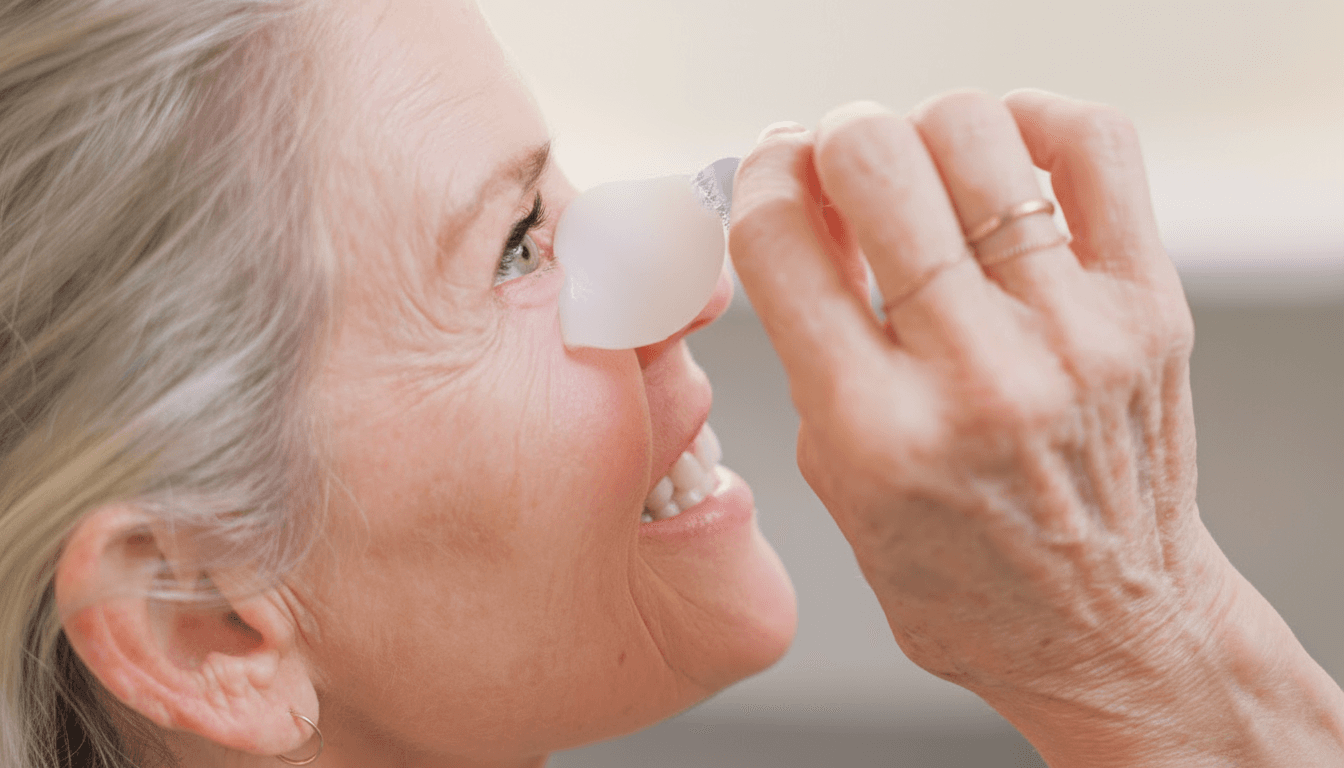
- Overnight protection: Eye patches maintain a warm, humid environment that keeps meibum flowing
Professional Treatments
- LipiFlow: An in-office device that applies controlled heat and pressure to unclog glands
- Intense pulsed light (IPL): Light therapy that improves gland function
- Manual expression: Your doctor physically expresses blocked glands
- Prescription drops: Anti-inflammatory drops to reduce gland inflammation
The Key Takeaway
If standard artificial tears aren't solving your dry eye, ask your ophthalmologist to evaluate your meibomian glands specifically. Treatment targets the root cause — oil deficiency — rather than just adding more water to eyes that can't hold onto it.