If your CPAP machine is making your eyes dry and irritated, you're not alone. Here's why it happens and what actually works to solve it.
CPAP therapy is a game-changer for sleep apnea, but there's a common side effect that drives many users crazy: dry, irritated eyes every morning. Studies show that up to 40% of CPAP users experience eye-related symptoms.
Why CPAP Causes Dry Eyes
Mask Leak
The most common culprit. Even a well-fitted mask can allow small amounts of pressurized air to escape upward toward your eyes. This constant airflow accelerates tear evaporation throughout the night.
Increased Air Pressure
Higher pressure settings push more air through any small gaps in the mask seal. If your prescribed pressure is on the higher end, you may be more susceptible to eye dryness from leaks.
Mask Type
Nasal masks and nasal pillow masks direct air upward more easily than full-face masks. However, full-face masks can also leak around the bridge of the nose toward the eyes.
Solutions That Work
Fix the Mask Fit
This should be your first step. A properly fitted mask eliminates most eye dryness issues:
- Try different mask sizes and styles
- Replace worn-out cushions and headgear
- Use mask liners to improve the seal
- Adjust the strap tension — too tight can be worse than too loose
Protect Your Eyes
Even with a good mask fit, some air leakage is inevitable. Physical protection helps:
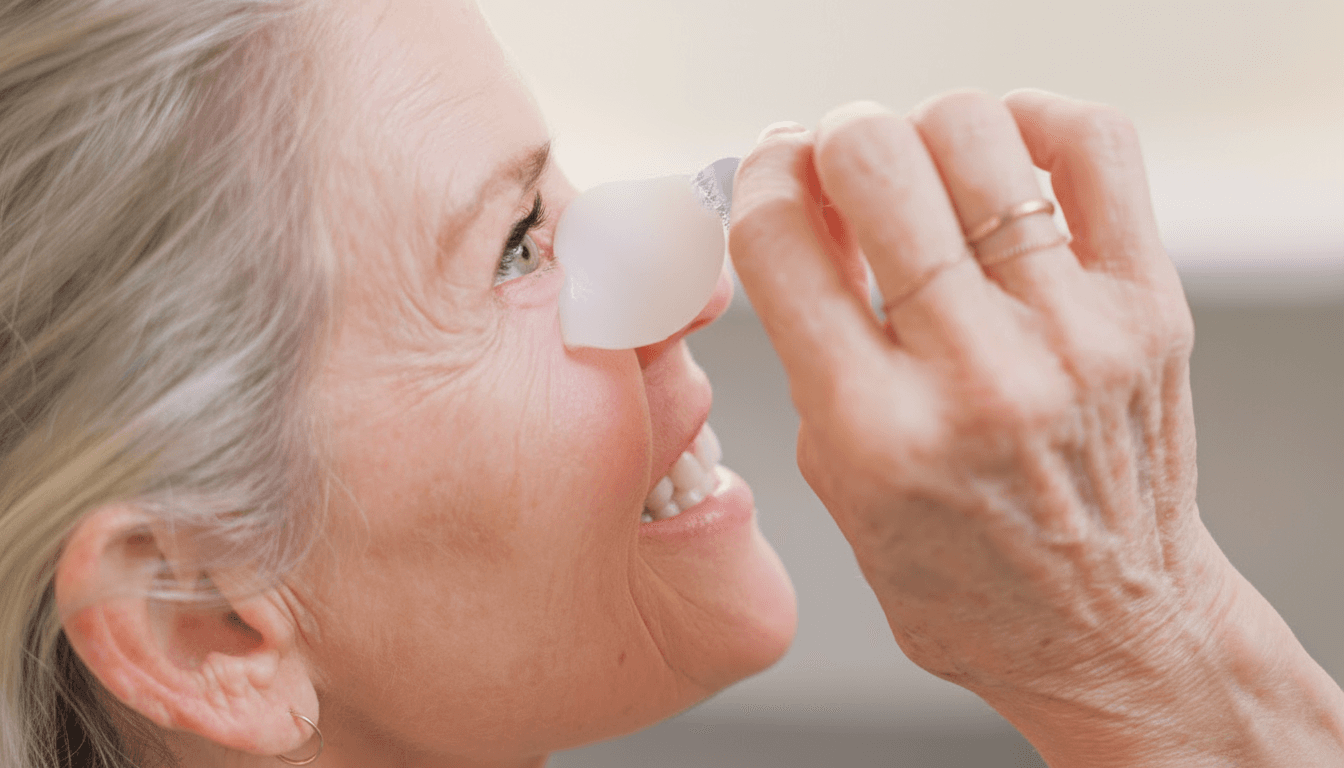
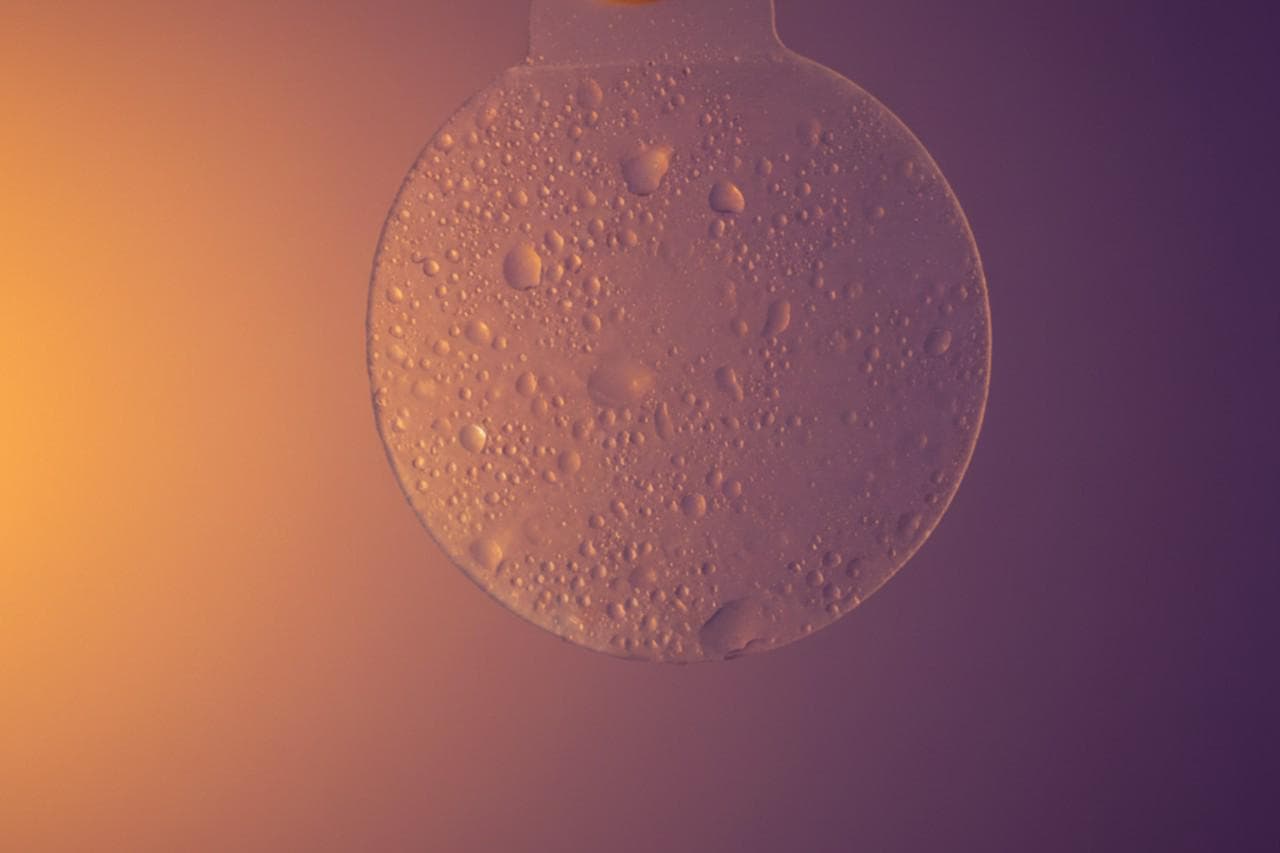
- Hydrogel eye patches: Create a moisture barrier over closed eyelids, preventing air from reaching the eye surface
- Sleep masks: Can deflect air, though they don't address moisture retention
- Moisture chamber goggles: Effective but can be bulky alongside a CPAP mask
Environmental Adjustments
- Use the heated humidifier on your CPAP machine (most modern units have one)
- Add a room humidifier for additional ambient moisture
- Keep the bedroom temperature moderate — extreme heat or cold worsens dryness
Eye Care Additions
- Preservative-free lubricating drops before bed
- Avoid rubbing your eyes in the morning
- Consult your ophthalmologist if symptoms persist despite adjustments
When to Talk to Your Doctor
If you've optimized your mask fit and tried protective measures but still have significant eye dryness, talk to both your sleep specialist and ophthalmologist. They may recommend adjusting your CPAP pressure, switching mask types, or prescribing specific eye treatments.
CPAP therapy shouldn't mean choosing between breathing well and comfortable eyes. With the right combination of adjustments, you can have both.