Up to 20% of people don't fully close their eyes during sleep. Here's how to tell if you're one of them and what it means for your eye health.
It sounds strange, but sleeping with your eyes partially open is more common than you'd think. The medical term is nocturnal lagophthalmos, and it affects an estimated 1 in 5 people to some degree.
What Causes It?
Nocturnal lagophthalmos can result from several factors:
- Facial nerve issues: Conditions like Bell's palsy can weaken the muscles that close your eyelids
- Anatomy: Some people simply have eyelids that don't fully meet when relaxed
- Prior surgery: Eyelid surgery (blepharoplasty) or cosmetic procedures can affect closure
- Aging: Eyelid laxity increases with age, making complete closure harder
- Thyroid conditions: Graves' disease can cause eye protrusion that prevents full closure
How to Tell If You Have It
Since you're asleep when it happens, the signs are indirect:
- Waking up with dry, gritty, or red eyes consistently
- Excessive tearing in the morning (your eyes overcompensate for overnight dryness)
- Blurred vision upon waking that clears after blinking
- A partner or family member notices your eyes aren't fully shut
- Sensitivity to light first thing in the morning
Why It Matters
When your eyelids don't close completely, your cornea is exposed to air for hours. This leads to:
- Tear film evaporation
- Corneal dryness and potential damage
- Increased infection risk
- Chronic discomfort and poor sleep quality
Treatment Options
Treatment depends on severity:
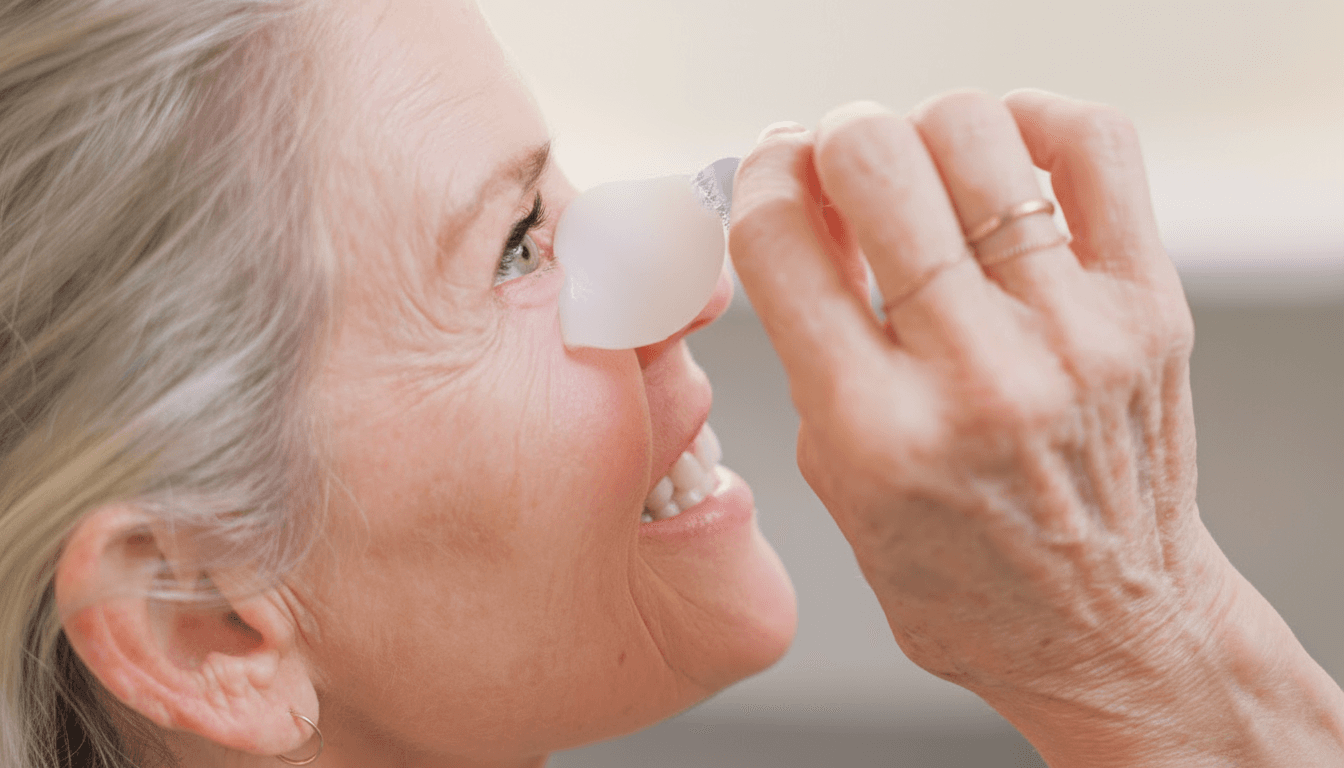
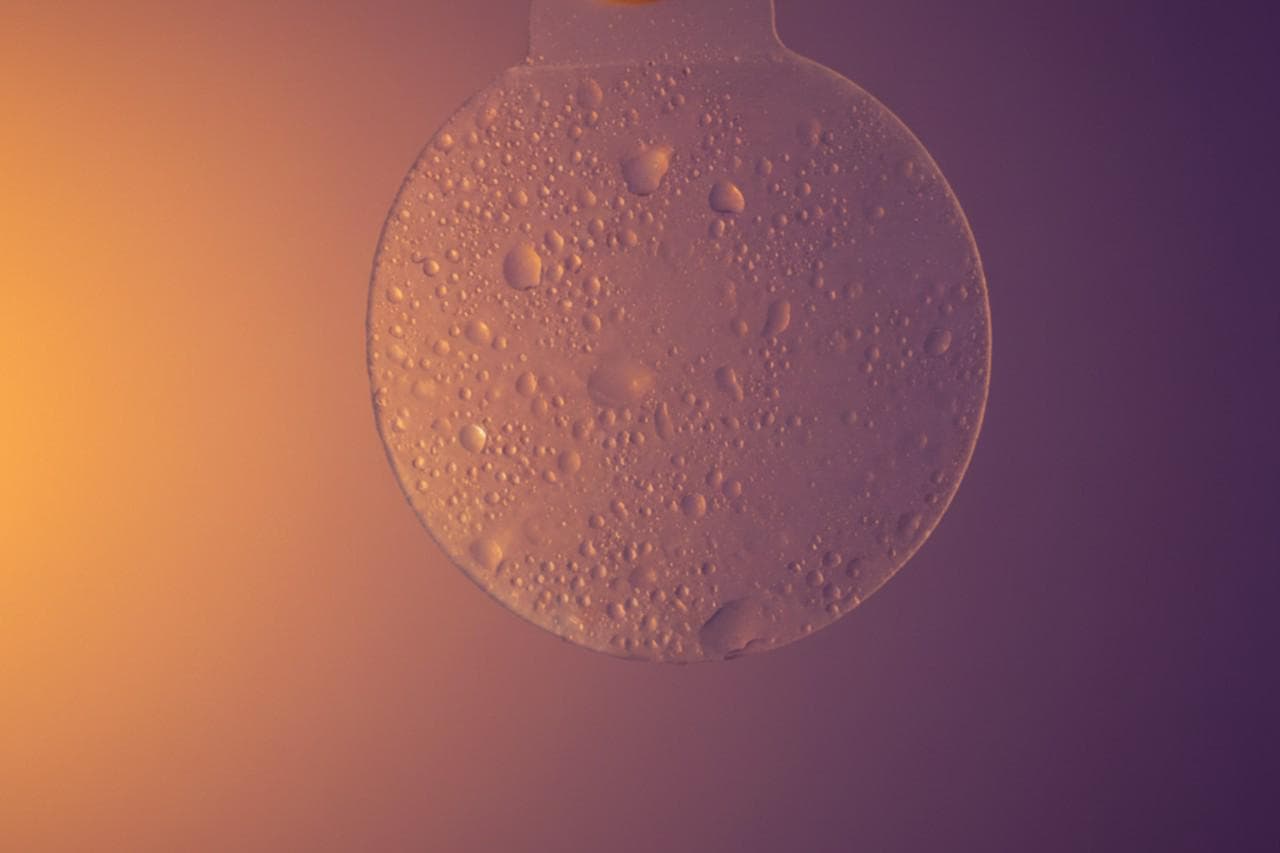
- Mild cases: Lubricating eye drops before bed, hydrogel eye patches to maintain closure, humidifier in the bedroom
- Moderate cases: Prescription eye ointments, moisture chamber goggles, therapeutic eye patches
- Severe cases: Surgical correction, eyelid weights, or tarsorrhaphy (partial eyelid closure surgery)
If you suspect you have nocturnal lagophthalmos, an ophthalmologist can confirm the diagnosis with a simple examination. In many mild cases, protective overnight eye patches provide significant relief without medical intervention.