If you notice your eyes feel driest right before bed or first thing in the morning, you are not imagining it. Here is why nighttime makes dry eye worse and how to fight back.
If you've ever woken up with gritty, irritated eyes, you know the frustration. Dry eye affects over 16 million Americans, and for many, symptoms peak during sleep. Understanding why can help you find real relief.
Why Sleep Makes Dry Eye Worse
Reduced Tear Production
During sleep, your body significantly reduces tear production. The lacrimal glands slow down, meaning less of the protective tear film that keeps your eyes comfortable during waking hours.
Incomplete Eyelid Closure
A surprisingly common condition called nocturnal lagophthalmos affects up to 20% of people. If your eyelids don't fully close during sleep, your cornea is exposed to air for hours, leading to dryness and irritation.
Environmental Factors
Bedroom conditions play a bigger role than most people realize:
- Ceiling fans and HVAC blow air directly across your face
- Low humidity in heated or air-conditioned rooms accelerates tear evaporation
- Allergens in bedding can trigger inflammation
What You Can Do
Optimize Your Sleep Environment
Small changes make a big difference. Consider a humidifier to keep bedroom humidity between 40-60%. Point fans away from your bed, and wash bedding weekly to reduce allergens.
Protect Your Eyes Overnight
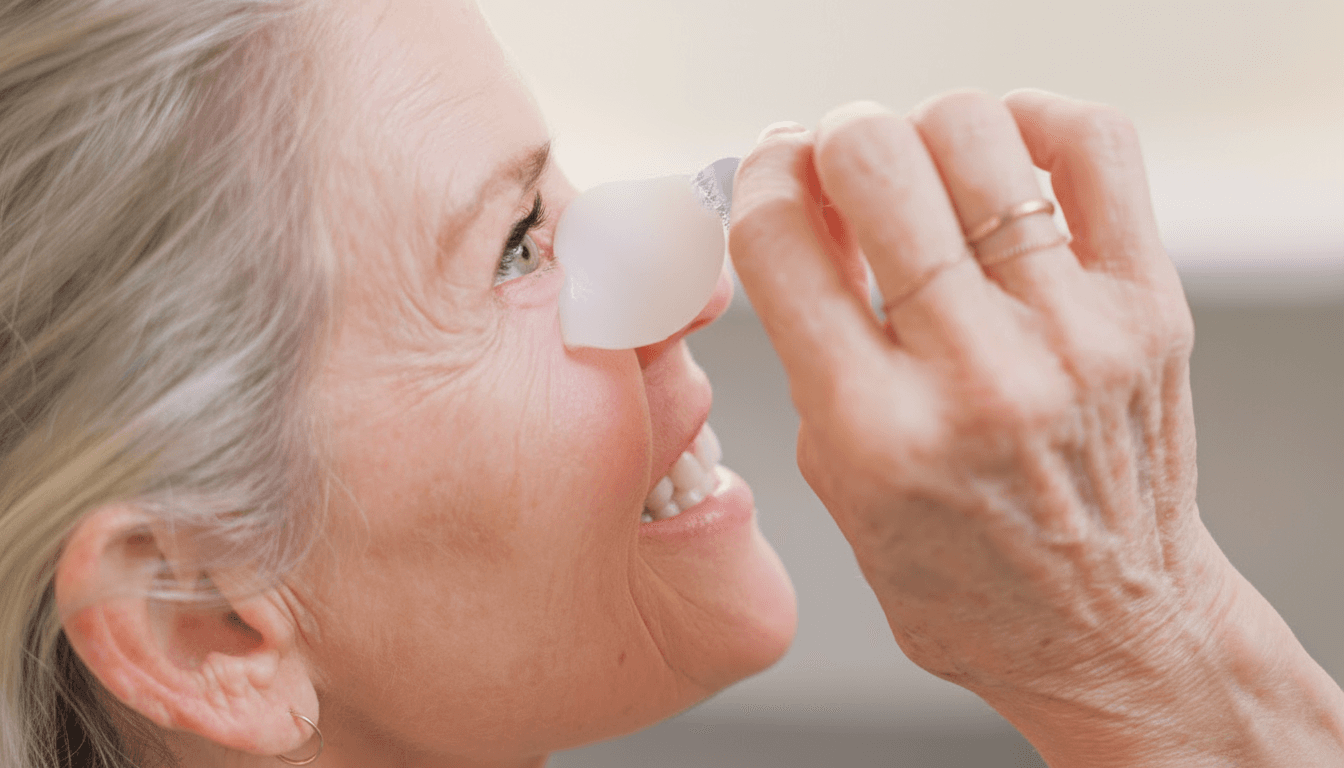
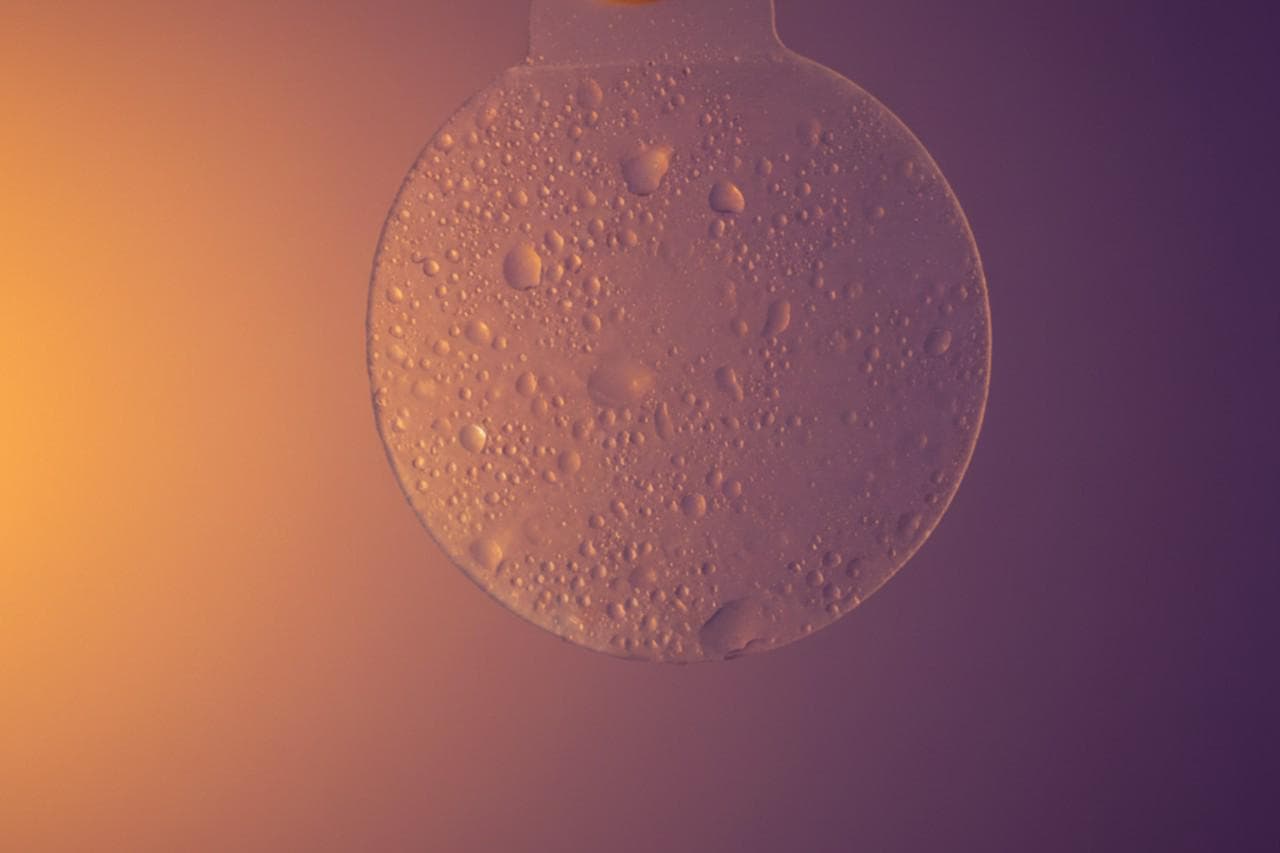
Hydrogel eye patches like OKO create a moisture barrier over your closed eyelids, preventing tear evaporation throughout the night. They also gently ensure complete eyelid closure, addressing lagophthalmos without medical intervention.
Stay Hydrated
Dehydration directly affects tear production. Aim for adequate water intake throughout the day, and avoid alcohol close to bedtime as it can worsen dehydration.
Talk to Your Doctor
If dry eye symptoms are severe or persistent, consult an ophthalmologist. They can assess tear quality, check for underlying conditions, and recommend targeted treatments.
The Bottom Line
Nighttime dry eye is common, but it doesn't have to be your reality. A combination of environmental adjustments and protective measures can dramatically improve your sleep comfort and morning eye health.